Move Over, Keto: Why “Fibermaxxing” Is Taking Over Your Feed
 By Team Random Read
Updated
11 min read
By Team Random Read
Updated
11 min read
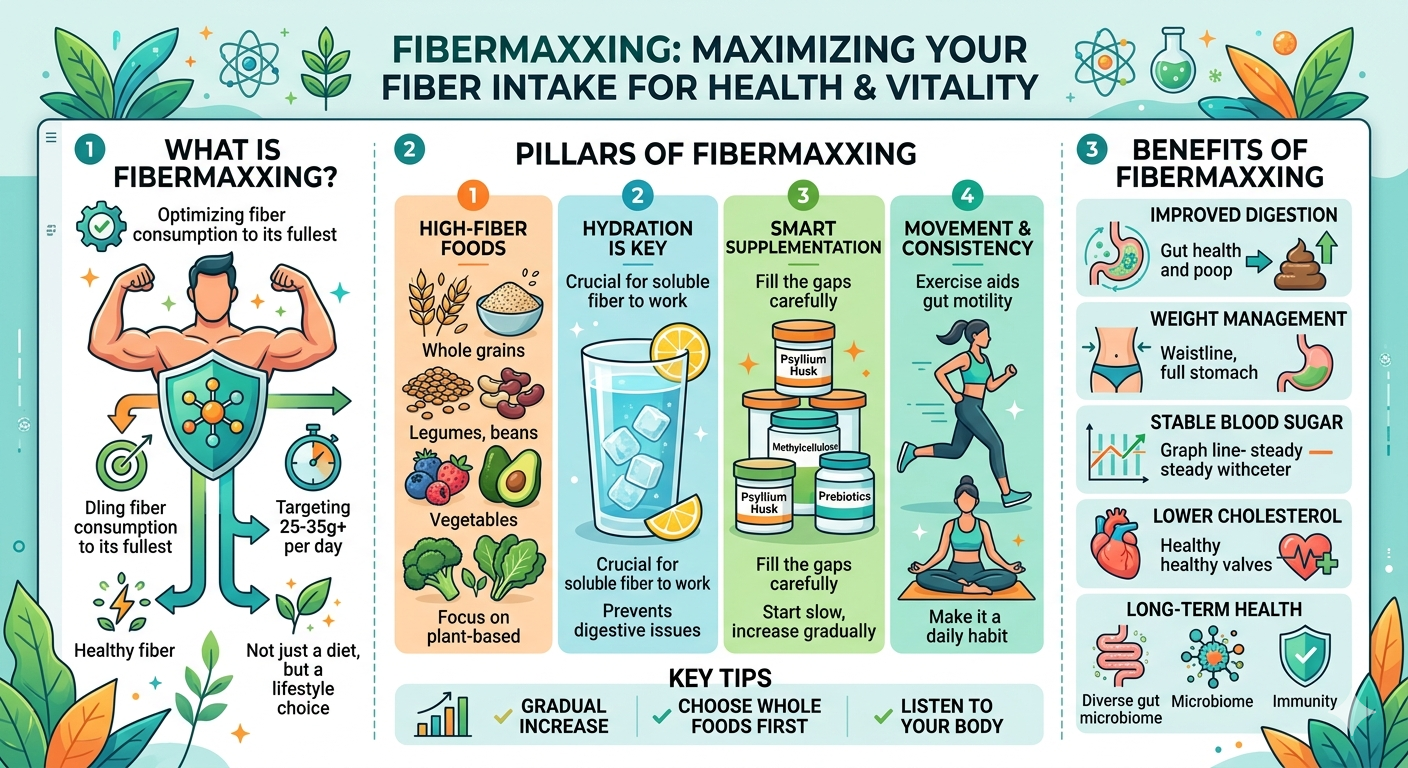
Every few years, a new diet trend explodes onto social media and dominates the wellness conversation. We’ve seen keto, intermittent fasting, carnivore diets, and juice cleanses come and go. But the latest buzzword sweeping TikTok and Instagram feeds is different — and for a refreshing change, the science actually backs it up.
In this article
- What Is Fibermaxxing?
- Why Most of Us Are Dangerously Low on Fiber
- The Science Behind Fiber: What Does It Actually Do?
- Soluble Fiber
- Insoluble Fiber
- 7 Proven Health Benefits of Fibermaxxing
- 1. Better Gut Health and a Thriving Microbiome
- 2. Blood Sugar Regulation and Diabetes Prevention
- 3. Heart Health and Lower Cholesterol
- 4. Weight Management and Appetite Control
- 5. Reduced Cancer Risk — Including Colorectal Cancer
- 6. Improved Digestive Regularity
- 7. Gut-Brain Connection and Mood
- How Much Fiber Do You Actually Need?
- The Best Fiber-Rich Foods to Add to Your Diet
- How to Start Fibermaxxing (Without the Bloating)
- Is Fibermaxxing Right for Everyone?
- Fibermaxxing vs. Keto: Why the Shift Matters
- The Bottom Line
Welcome to fibermaxxing: the trend of intentionally maximizing your daily fiber intake by loading up on fruits, vegetables, legumes, whole grains, nuts, and seeds. It sounds almost too simple to be a “trend.” Yet millions of people are discovering what nutrition researchers have known for decades — that most of us are chronically under-eating one of the most powerful nutrients in existence.
So what exactly is fibermaxxing, why is it going viral right now, and should you try it? Let’s dig in.
What Is Fibermaxxing?
The term “fibermaxxing” blends “fiber” with the Gen Z internet slang of “maxxing” — a suffix meaning to take something to its maximum potential (see: looksmaxxing, sleepmaxxing). Put simply, fibermaxxing is the practice of eating enough fiber to meet — or ideally exceed — your recommended daily intake at every single meal.
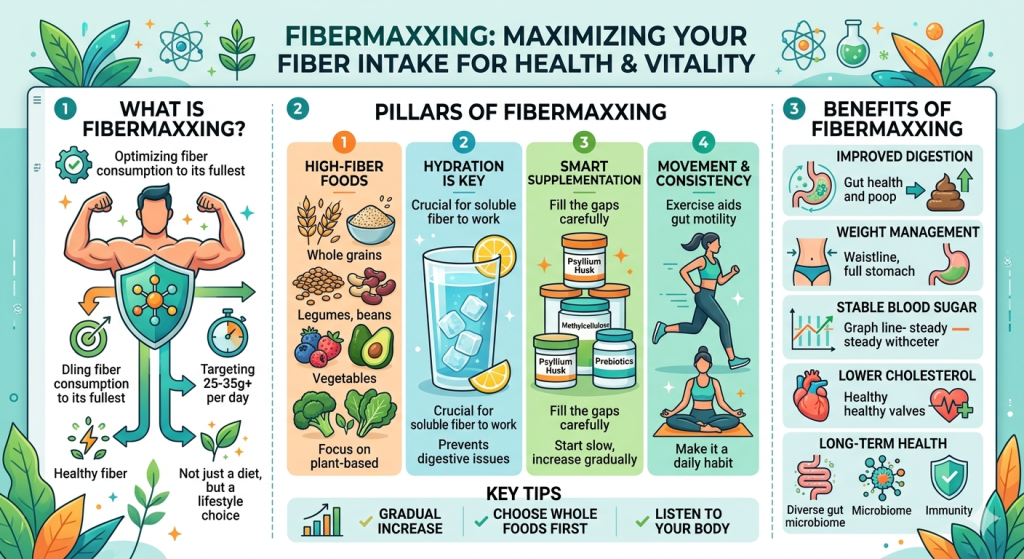
According to registered dietitian Tara Schmidt, RDN, LD, lead dietitian at the Mayo Clinic, fibermaxxing is “essentially attempting to eat a ton of fiber to max out your daily fiber intake — at least meeting, but more likely exceeding, the recommendation for daily fiber intake.”
On TikTok, the trend has taken the form of colorful plant-forward meal videos, “what I eat in a day” reels stacked with chia seeds, lentils, berries, and leafy greens, and viral challenges like “Can you eat 30 different plants this week?” Videos tagged under the trend have racked up tens of millions of views and continue to grow.
But unlike NyQuil chicken or the “SkinnyTok” movement — two of TikTok’s more alarming nutrition moments — fibermaxxing is a trend that registered dietitians are actually excited about.
Why Most of Us Are Dangerously Low on Fiber
Before understanding why fibermaxxing has gone viral, it helps to understand just how bad the fiber situation already is.
The Dietary Guidelines for Americans (2020–2025) recommend that adult women consume between 22–28 grams of fiber per day, and adult men 28–34 grams — varying by age. Yet the Department of Health and Human Services reports that more than 90% of women and 97% of men don’t meet these targets. Most American adults are consuming around 15 grams per day — less than half of what’s recommended.
This shortfall is so widespread that dietary fiber has been officially classified as a “dietary component of public health concern” due to its chronic underconsumption and critical role in overall health.
The reason for this gap is simple: the modern Western diet is dominated by ultra-processed foods, refined grains, and animal products — all of which contain little to no fiber. Fresh vegetables, whole grains, legumes, and fruit — the primary sources of dietary fiber — have taken a back seat for decades.
Fibermaxxing is essentially a cultural correction to that problem. And it’s working.
The Science Behind Fiber: What Does It Actually Do?
Fiber is a type of carbohydrate found in plant foods that the human body cannot fully digest. Rather than being broken down and absorbed like other nutrients, fiber passes through the digestive tract largely intact — and in doing so, it delivers a remarkable range of health benefits.
There are two main types of dietary fiber, each with distinct roles:
Soluble Fiber
Soluble fiber dissolves in water and forms a gel-like substance in the gut. It is found in foods like oats, apples, bananas, citrus fruits, beans, barley, and psyllium husk. Soluble fiber is particularly effective at:
- Slowing the absorption of sugar and stabilizing blood glucose levels
- Lowering LDL (bad) cholesterol by binding to it in the digestive tract and removing it from the body
- Feeding beneficial gut bacteria (acting as a prebiotic)
- Promoting feelings of fullness and satiety
Insoluble Fiber
Insoluble fiber does not dissolve in water. Instead, it adds bulk to the stool and speeds up the movement of food through the digestive tract. It is found in whole-wheat flour, wheat bran, cauliflower, green beans, potatoes, nuts, and many vegetables. Insoluble fiber is particularly effective at:
- Preventing and relieving constipation
- Supporting regular, healthy bowel movements
- Reducing exposure time to potentially harmful compounds in the gut
Most high-fiber whole foods contain a mix of both types. “A balance of both is key for overall health,” notes dietitian Lauren Manaker, RDN.
7 Proven Health Benefits of Fibermaxxing
1. Better Gut Health and a Thriving Microbiome
One of the most celebrated benefits of a fiber-rich diet is what it does for your gut microbiome — the trillions of bacteria, fungi, and other microorganisms living in your digestive tract. Fiber, especially soluble fiber, acts as a prebiotic — food for your beneficial gut bacteria.
When gut bacteria ferment fiber, they produce short-chain fatty acids (SCFAs) such as butyrate, propionate, and acetate. These compounds are anti-inflammatory, help maintain the integrity of the gut lining, and support immune function. Eating a wider variety of fiber-rich plants supports a more diverse microbiome, which researchers increasingly associate with better overall health outcomes.
2. Blood Sugar Regulation and Diabetes Prevention
Fiber slows the absorption of sugar into the bloodstream, preventing the dramatic spikes and crashes in blood glucose that follow high-carbohydrate meals. This is especially significant for people at risk of type 2 diabetes or those managing existing blood sugar issues.
Over time, a consistently high-fiber diet can improve insulin sensitivity and significantly reduce the risk of developing type 2 diabetes.
3. Heart Health and Lower Cholesterol
Soluble fiber binds with LDL cholesterol particles in the digestive system and helps eliminate them from the body before they can be absorbed. This mechanism directly lowers circulating cholesterol levels, reducing the risk of cardiovascular disease, heart attacks, and stroke.
Multiple large-scale studies have shown that every 7-gram increase in daily fiber intake is associated with a meaningful reduction in heart disease risk.
4. Weight Management and Appetite Control
Fiber-rich foods take longer to eat, longer to digest, and keep you feeling fuller for longer. This natural appetite regulation reduces overall calorie intake without the need for strict restriction or calorie counting.
“Fiber helps maintain a healthy weight, which is possible due to blood sugar regulation and to fiber keeping you fuller longer, likely reducing overall calorie intake,” says dietitian Lauren Manaker.
The gut microbiome also plays a role here — SCFAs produced during fiber fermentation influence hormones that regulate hunger and satiety signals to the brain.
5. Reduced Cancer Risk — Including Colorectal Cancer
This is one of the most significant and least-discussed benefits of a high-fiber diet. Research, including studies by Memorial Sloan Kettering Cancer Center, shows that dietary fiber may reduce the risk of several common cancers, with the strongest evidence for colorectal cancer.
Fiber speeds the transit of food through the colon, reducing the amount of time that potential carcinogens spend in contact with the intestinal wall. It also supports a healthy microbiome that produces protective SCFAs and reduces inflammation — another known cancer risk factor.
Interestingly, the rise in colorectal cancer among younger adults has been one of the factors driving younger generations toward fibermaxxing. Many TikTok users credit concerns about rising colon cancer rates in their age group as a motivator for the trend.
6. Improved Digestive Regularity
This one needs little introduction. Adequate fiber intake promotes regular, comfortable bowel movements — one of the most immediate and noticeable benefits people report when they start fibermaxxing.
Insoluble fiber adds bulk to stools while soluble fiber helps soften them, making fiber intake helpful for both constipation and certain types of loose stools, depending on the type of fiber consumed.
7. Gut-Brain Connection and Mood
The gut-brain axis is one of the most exciting areas of emerging research in nutrition science. Experts are increasingly discovering that diets high or low in fiber-rich foods directly affect mood, mental clarity, and emotional wellbeing.
The gut produces a significant portion of the body’s serotonin, and a healthy, fiber-fed microbiome appears to support more stable mental health outcomes. While research is still developing, the connection between what we eat and how we feel is becoming harder to ignore.
How Much Fiber Do You Actually Need?
The Dietary Guidelines for Americans recommend:
| Group | Daily Fiber Target |
|---|---|
| Women 19–50 | 25–28 grams |
| Men 19–50 | 31–34 grams |
| Women 51+ | 22 grams |
| Men 51+ | 28 grams |
A useful general rule, according to Tufts University scientist Dr. Jennifer Lee, is to aim for 14 grams of fiber per 1,000 calories consumed. Most health experts consider 25–30 grams per day to represent a genuinely high-fiber diet — and that’s the goal for fibermaxxers.
The average American is currently eating around 15 grams. That means most people need to roughly double their current fiber intake just to meet the minimum recommendation.
The Best Fiber-Rich Foods to Add to Your Diet
The most effective (and enjoyable) approach to fibermaxxing is through whole foods, not supplements. Here are some of the best sources:
Legumes (Highest Fiber Foods)
- Lentils: ~15g per cooked cup
- Black beans: ~15g per cooked cup
- Chickpeas: ~12g per cooked cup
- Split peas: ~16g per cooked cup
Whole Grains
- Oats: ~4g per cup (cooked)
- Quinoa: ~5g per cup (cooked)
- Whole wheat bread: ~2g per slice
- Barley: ~6g per cooked cup
Vegetables
- Artichoke: ~10g per medium artichoke
- Broccoli: ~5g per cup
- Brussels sprouts: ~4g per cup
- Sweet potato: ~4g per medium
Fruits
- Pear: ~5.5g per medium pear
- Apple (with skin): ~4.5g
- Avocado: ~10g per whole avocado
- Raspberries: ~8g per cup
Nuts and Seeds
- Chia seeds: ~10g per 2 tablespoons
- Flaxseeds: ~3g per tablespoon
- Almonds: ~3.5g per ounce
How to Start Fibermaxxing (Without the Bloating)
One of the most common complaints from people who dive headfirst into fibermaxxing is digestive discomfort — bloating, gas, cramping, and sometimes constipation. This is almost always the result of increasing fiber too quickly.
Your gut microbiome needs time to adapt to a higher fiber intake. The bacteria responsible for fermenting fiber need to multiply in number, and that takes time. Going from 15 grams to 40 grams overnight overwhelms the system.
Here’s how to do it right:
Start low and go slow. Begin with an additional 5 grams of fiber per day for the first week, then increase by another 5 grams the following week. Continue gradually until you reach your target.
Drink significantly more water. Fiber needs water to move smoothly through the digestive tract. Increasing fiber without increasing hydration is a recipe for constipation. Aim for at least 8 cups (2 liters) of water per day, and more as your fiber intake rises.
Spread fiber throughout the day. Rather than eating most of your fiber at dinner, distribute it across breakfast, lunch, dinner, and snacks. This prevents the gut from being overwhelmed at any single meal.
Prioritize whole foods over supplements. While fiber supplements can be helpful, they don’t deliver the phytonutrients, vitamins, minerals, and diverse fiber types that whole plant foods provide. “If you’re doing it from whole foods, you’re going to increase your intake of plants — fruits, vegetables, whole grains, beans, legumes,” notes Mayo Clinic dietitian Tara Schmidt.
Be consistent. “Most people increase their fiber intake too quickly, causing issues, or they’re not consistent — eating tons of fiber one day and none for several days,” says dietitian Barrett of Legacy Community Health. “Consistency is the key.”
Is Fibermaxxing Right for Everyone?
For most healthy adults, fibermaxxing is a genuinely excellent habit. But there are some exceptions worth noting.
People with irritable bowel syndrome (IBS), Crohn’s disease, or ulcerative colitis should consult with a registered dietitian before significantly increasing fiber, as both too much and too little fiber can trigger symptoms depending on the specific condition.
Patients preparing for colorectal procedures (like colonoscopies) may be advised to follow a low-fiber diet temporarily before the procedure.
Individuals with disordered eating histories should approach any trend that involves maximizing or tracking a specific nutrient with caution, as it may fuel anxiety around food rules.
Older adults and those taking corticosteroids should speak with their primary care provider before dramatically changing fiber intake.
As with all nutrition advice: individual needs vary, and working with a registered dietitian to personalize your approach is always the best path.
Fibermaxxing vs. Keto: Why the Shift Matters
For years, the ketogenic diet dominated wellness culture. By severely restricting carbohydrates (including most fruits, legumes, and whole grains), keto inadvertently slashed fiber intake for millions of people — often to dangerously low levels.
The rise of fibermaxxing represents something of a cultural correction. Rather than cutting plant foods, fibermaxxing actively celebrates them. It encourages eating more of the foods — beans, lentils, whole grains, fruits, and vegetables — that population-level health research consistently associates with longer lives and lower rates of chronic disease.
Where keto was restrictive and eliminating, fibermaxxing is additive and inclusive. You don’t have to give anything up. You simply commit to adding more plants, more variety, and more fiber to what you already eat.
That’s a shift worth celebrating.
The Bottom Line
Fibermaxxing isn’t a fad. It isn’t extreme. And unlike a long list of viral wellness trends, it’s firmly rooted in decades of robust nutritional science.
Most of us are eating far too little fiber — and our gut health, heart health, blood sugar, and long-term disease risk are all paying the price. Fibermaxxing is simply the act of fixing that: intentionally, consistently, and through the joy of eating more whole, plant-rich foods.
You don’t need to transform your entire diet overnight. Start with one extra serving of beans today. Add some chia seeds to your morning yogurt. Swap white rice for a whole grain. Build the habit slowly, drink plenty of water, and let your gut adapt.
The science is clear, the trend is growing, and your microbiome will thank you.
Always consult a qualified healthcare provider or registered dietitian before making significant changes to your diet, particularly if you have any underlying health conditions.

Team Random Read
Random Read is an independent general-interest blog covering history, current affairs, nature, psychology, science and pop culture. About us
More like this

The Real History Behind Halloween Traditions: From Samhain Bonfires to Carved Pumpkins
Halloween grew from the Gaelic festival of Samhain, marking the end of harvest, blended with the Christian All Saints' and All Souls'…

Why Gaming Is the New Way Gen Z and Millennials Make Real Friends
Picture this: two people on opposite sides of the world, one in Lagos and one in Manila, staying up past midnight to…

The Psychology Behind Why We Love Watching Disasters Unfold
You are driving down the highway, and traffic suddenly grinds to a halt. For twenty minutes, you inch forward, frustrated, assuming there…